
Accompaniments (272)
(See all 272 items)

Candied Fruit (14)

Condiments (102)
(See all 102 items)

African condiments (3)

American condiments (15)

Asian condiments (53)

European condiments (16)

Hispanic condiments (12)

Indian condiments (2)

Middle Eastern condiments (1)

Edible Flowers (33)

Food Wrappers (27)
Fruit preserves (29)



Olives (39)
Pickles (28)

Baked Goods (136)



Baking Supplies (21)


Dairy (260)
(See all 260 items)

Cheese (214)
(See all 214 items)
Blue Cheeses (22)
Firm Cheeses (21)

Fresh Cheeses (34)

Processed Cheeses (9)
Semi-Firm Cheeses (42)

Semi-Soft Cheeses (42)

Soft Cheeses (35)
Other Cheese Types (9)

Cultured Milk Products (17)

Eggs (10)

Milk & Cream (19)

Equipment (161)
(See all 161 items)

Baking Equipment (26)

Bar Equipment (6)

Bowls & Containers (14)

Cleaning Tools (8)

Cutting Tools (18)

Extracting & Straining Tools (22)
Mashing, Grating, Grinding & Mixing Tools (17)

Measuring Tools (7)

Outdoor Cooking Equipment (8)

Roasting Equipment (8)

Stovetop Equipment (14)

Other Equipment (13)

Fats & Oils (46)



Fish (193)
(See all 193 items)

Caviar & Roe (30)

Fatty, Firm-textured Fish (20)


Fatty, Flaky-textured Fish (27)


Lean, Firm-textured Fish (16)
Lean, Flaky-textured Fish (28)


Shellfish (51)


Smoked & Dried Fish (21)

Flavorings (733)
(See all 733 items)
Bitters (4)

Brandy (18)

Candied Foods (13)
Candy (16)

Chocolate (23)

Condiments (103)
(See all 103 items)

African condiments (3)

American condiments (13)

Asian condiments (54)

European condiments (18)

Hispanic condiments (12)

Indian condiments (2)

Middle Eastern condiments (1)

Extracts and Flavoring Oils (35)

Fortified Wine (8)

Fruit preserves (29)


Garlic (12)

Ginger & Other Rhizomes (7)

Herb & Spice Mixes (55)
(See all 55 items)

African Herb & Spice Mixes (2)

American Herb & Spice Mixes (17)

Asian Herb & Spice Mixes (9)

European Herb & Spice Mixes (13)

Hispanic Herb & Spice Mixes (3)

Indian Herb & Spice Mixes (7)

Middle Eastern Herb & Spice Mixes (4)

Herbs (79)
(See all 79 items)

African Herbs (2)

American Herbs (3)

Asian Herbs (24)

European Herbs (30)

Global herbs (2)

Hispanic Herbs (12)

Indian Herbs (5)

Middle Eastern Herbs (1)

Juices (24)

Liqueurs (5)
Liquid sweeteners (36)


Nut & Seed Pastes (17)
Salt (20)

Seeds (14)

Spices (70)
(See all 70 items)

African Spices (4)

Asian Spices (6)

European Spices (9)

Global Spices (29)


Hispanic Spices (7)

Indian Spices (12)

Middle Eastern Spices (3)

Sugars (37)
Vinegars (30)

Wine (78)






Fruit (520)
(See all 520 items)

Berries (34)
Candied Fruit (14)

Citrus Fruit (26)

Common Tropical Fruit (12)
Dried Fruit (41)


Exotic Tropical Fruit (58)

Fruit Vegetables (183)
(See all 183 items)
Asian Squash (8)

Avocados (7)
Cucumbers (10)

Dried Chili Peppers (27)
Eggplants (20)

Fresh Chili Peppers (29)

Olives (38)
Summer Squash (12)
Sweet Peppers (8)
Tomatoes (8)
Winter Squash (16)

Fruit preserves (29)




Juices (24)
Melons (21)
Pome Fruit (52)

Stone Fruit (15)

Table Grapes (11)

Grain Products (356)
(See all 356 items)
Asian Noodles (56)
(See all 56 items)
Asian Noodles (9)

Asian Rice Noodles (11)

Asian Wheat Noodles (22)

Other Asian Noodles (14)

Doughs (16)
Food Wrappers (23)

Nonwheat Flours (42)

Nut Flours & Meals (14)

Other Noodles (10)

Pasta (142)
(See all 142 items)
Fresh Pasta (6)
Pasta Ribbons (17)
Pasta Rods (12)
Pasta Shapes (29)
Pasta Tubes (24)

Soup Pasta (29)

Stuffed Pasta (11)
Other Pasta (14)

Thickeners (35)


Wheat Flours (18)

Grains (98)
(See all 98 items)
Barley (10)

Buckwheat (5)

Corn (8)
Grain Forms (9)
Kamut® Brand Wheat (3)

Oats (7)

Rice (31)

Rye (3)

Spelt (3)

Triticale (3)

Wheat (7)

Other Grains (9)

Legumes & Nuts (202)
(See all 202 items)
Bean Products (2)
Dried Peas (7)
Dry Beans (50)

Fresh Beans (6)

Lentils (20)
Nut Flours & Meals (14)

Nut Pastes (17)
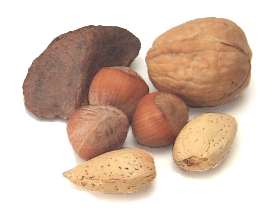
Nuts (33)
Other Legumes (1)
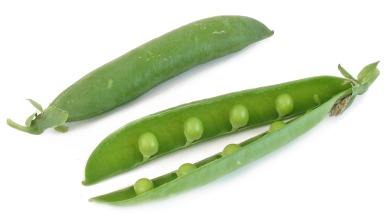
Peas and Pods (6)

Snap Beans (11)

Soy Products (35)

Liquids (443)
(See all 443 items)

Alcohol (270)
(See all 270 items)

Beer (14)
Bitters (4)

Liqueurs (127)
(See all 127 items)

Anise-Flavored Liqueurs (13)

Bitter Liqueurs (11)

Chocolate Liqueurs (7)

Fruit Liqueurs (47)

Herbal Liqueurs (15)

Liqueurs (4)

Nut Liqueurs (9)
Other Liqueurs (21)

Liquors (43)




Wine (82)


Coffee (5)

Cultured Milk Products (16)

Juices (26)
Liquid Sweeteners (23)

Milk & Cream (19)

Non-dairy Milks & Creams (14)

Stocks, Broths & Gravies (23)

Tea (10)
Vinegars (31)

Waters & Sodas (6)

Meats (352)
(See all 352 items)
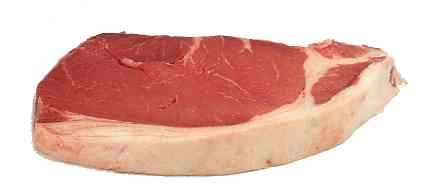
Beef (59)
(See all 59 items)

Beef Chuck (16)

Beef Loin Cuts (16)

Beef Rib Cuts (5)

Beef Round Cuts (11)

Breast & Flank Cuts (5)

Miscellaneous Cuts (6)

Cured Meats (142)


Dried Meats (9)

Game (21)

Lamb (21)
(See all 21 items)

Lamb Breast Cuts (3)

Lamb Leg Cuts (3)

Lamb Loin Cuts (5)

Lamb Rib Cuts (2)

Lamb Shoulder (4)

Miscellaneous Lamb Cuts (4)
Pork (29)
(See all 29 items)

Miscellaneous Pork Cuts (6)

Pork Leg Cuts (2)

Pork Loin Cuts (16)

Pork Picnic Cuts (2)

Pork Shoulder (2)

Pork Side Cuts (1)

Poultry (16)

Variety Meats (23)


Veal (24)
(See all 24 items)

Miscellaneous Veal Cuts (4)

Veal Breast Cuts (2)

Veal Leg Cuts (8)

Veal Loin Cuts (3)

Veal Rib Cuts (2)

Veal Shoulder Cuts (5)

Other Meats (8)

Miscellaneous (155)
(See all 155 items)

Caviar & Roe (29)
Edible Flowers (33)
Food Wrappers (29)

Leavens (6)

Miscellaneous (29)
Thickeners (29)

Vegetables (469)
(See all 469 items)

Cabbage (7)
Cooking Greens (34)
Fresh Beans (6)
Fruit Vegetables (183)
(See all 183 items)
Asian Squash (8)
Avocados (7)
Cucumbers (10)

Dried Chili Peppers (27)
Eggplants (20)
Fresh Chili Peppers (29)
Olives (38)
Summer Squash (12)
Sweet Peppers (8)
Tomatoes (8)
Winter Squash (16)
Garlic (13)
Ginger & Other Rhizomes (7)
Inflorescent Vegetables (10)
Mushrooms (44)
Onions (19)


Peas and Pods (6)
Roots (17)
Salad Greens (31)
Sea Vegetables (13)
Snap Beans (11)
Sprouts (12)

Stalk Vegetables (15)
Tubers & Corms (32)


Other Vegetables (9)

Vegetarian (50)


All Ingredients

acorn squash
This orange-fleshed winter squash is popular because of its small size--it can be cut in half and baked to make two generous servings. The rind, unfortunately, is quite hard and difficult to cut. To avoid injuring yourself, first slice off both the top and the bottom with a sharp knife, and use the stem end as a base for the more treacherous halving cut. Select acorn squash with as much green on the rind as possible, though most will have a single orange spot on one side.
Learn more
banana squash
This variety is so large that grocers usually cut into smaller chunks before putting it out. It's tasty, but its biggest virtue is the beautiful golden color of its flesh.
Learn more
buttercup squash
With sweet and creamy orange flesh, the buttercup is one of the more highly regarded winter squashes. The biggest shortcoming is that it tends to be a bit dry. Choose specimens that are heavy for their size.
Learn more
butternut squash
This variety is very popular because it's so easy to use. It's small enough to serve a normal family without leftovers, and the rind is thin enough to peel off with a vegetable peeler. As an added bonus, the flavor is sweet, moist, and pleasantly nutty.
Learn more
cousa squash
This Middle-Eastern summer squash looks a lot like spaghetti squash, only it has a thin, edible skin. It's similar to zucchini, but its larger size makes it a natural for stuffing.
Learn more
delicata squash
This is one of the tastier winter squashes, with creamy pulp that tastes a bit like sweet potatoes. Choose squash that are heavy for their size.
Learn more


golden nugget squash
This has a pleasant flavor, but it doesn't have as much flesh as other squashes and the heavy rind makes it hard to cut before cooking. Select specimens that are heavy for their size, and that have a dull finish. Those with shiny rinds were probably picked too young, and won't be as sweet.
Learn more
Hubbard squash
This variety has tasty flesh, but it's too large for many families to handle and the rind is hard to cut though. Some grocers cut them into smaller pieces before putting them out.
Learn more
kabocha squash
This orange-fleshed winter squash has a striated green rind. It's sweeter, drier, and less fibrous than other winter squash, and it tastes a bit like sweet potatoes.
Learn more
kershaw squash
Kershaw squash is an heirloom squash. It is mostly grown in the American south. Kershaw squash was cultivated by native Americans.
Learn more

pattypan squash
These have a pleasant, nutty flavor. They're small enough to grill whole, but lots of recipes call for them to be hollowed out, stuffed, and baked. There are green and yellow varieties; yellow ones are sometimes called sunburst squash.
Learn more
spaghetti squash
After it's cooked, you can dig a fork into the flesh of a spaghetti squash and pull out long yellow strands that resemble spaghetti. Though they taste like squash, the "noodles" can serve as a low-calorie substitute for pasta.
Learn more
squash blossoms
These make exquisite garnishes, but they can also be stuffed with fillings and fried, or else sautéed very briefly and put into omelettes or quesadillas. The best source of the blossoms is a garden, but non-gardeners can sometimes find them in farmers' markets or specialty markets. They don't store well, so try to use the blossoms soon after you get them.
Learn more
squash seeds
The seeds of various squashes, like pumpkin and acorn squash, make terrific snacks. To prepare, wash the seeds, then blot them dry, and mix them with salt and butter. Spread the seeds on a baking tray and bake them in a preheated 325° oven for about 15 minutes.
Learn moresummer squash
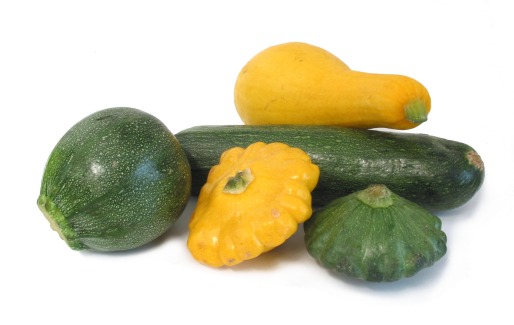
Unlike winter squash, summer squash can be eaten rind, seeds, and all. The different varieties vary in size, shape, and color, but they can be used interchangeably in recipes. Select summer squash that are small and firm.
Learn more
sweet dumpling squash
Sweet dumpling squash are fairly small, so you can cut them in half, bake them, and serve each half as an individual portion. The flesh is sweeter and drier than that of other winter squash, and the peel is soft enough to be eaten.
Learn more

turban squash
This squash has a gorgeous rind, but ho-hum flavor. It makes a good centerpiece, or you can hollow it out and use it as a spectacular soup tureen.
Learn more
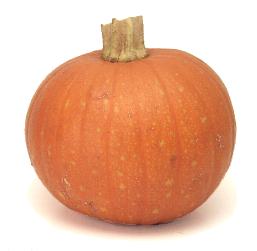
winter squash
Winter squash come in many sizes and shapes, but all have hard outer rinds that surround sweet, often orange flesh. Winter squash arrive late in the growing season and they have a long shelf life, so they've long been a staple in winter and spring, when other vegetables are harder to come by. Unlike summer squash, winter squash must be cooked. They're usually baked or steamed, and then sometimes puréed. Select squash that are heavy for their size.
Learn more
yellow squash
This category includes yellow straight-neck squash and yellow crookneck squash. They're interchangeable with zucchini.
Learn morebitter melon
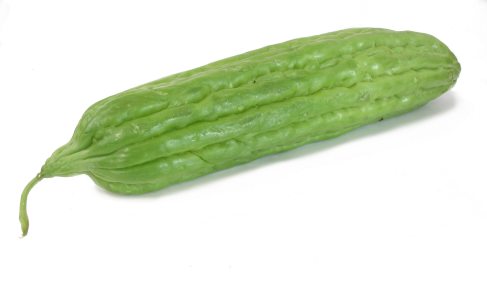
This bitter vegetable is believed to have medicinal properties and is widely used throughout Asia.
Learn more
calabaza
These are popular in Hispanic countries and throughout the Caribbean. They're large, so markets often cut them up before selling them.
Learn more
chayote
This mild-flavored squash looks like a wrinkled, pale green pear. It needs to be cooked before serving, and for a longer time than other summer squash. You should peel a chayote before cooking it, but don't take the seed out--it's edible and tasty. Cooked chayotes make good low-fat substitutes for avocados.
Learn more
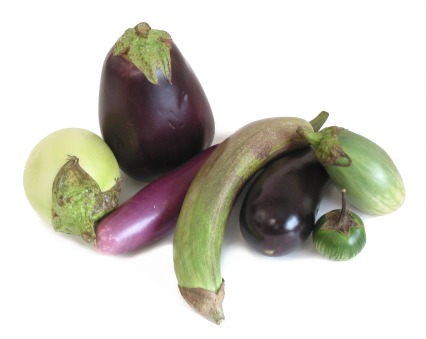
Eggplants
This is a spongy, mild-tasting vegetable that's meaty yet low in calories. It's never eaten raw, but it can be baked, grilled, or sautéed. The best eggplants are shiny, firm (but not too hard), and heavy for their size, with bright green stems and unbroken skin. Smaller eggplants tend to have fewer bitter seeds, as do "male" ones with round scars at their blossom (non-stem) end. (The scars on "female" eggplants look like dashes.) Freshness is important, so don't store eggplants for very long.
Learn more
Indian bitter melon
This is fairly bitter. Choose melons that are bright green. They turn tough and yellow as they age. You can eat the peels and seeds, or scrape out the seeds to reduce the bitterness.
Learn more
moap patora
This is a variety of winter squash common to south Asia. It has a mildly sweet flavor.
Learn more

zucchini
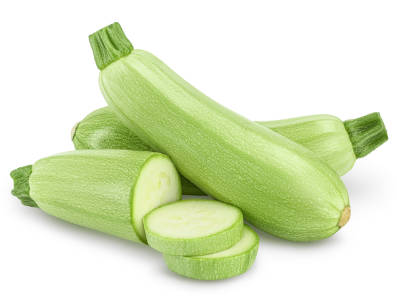
America's most popular summer squash, zucchini can be served raw, sautéed, baked, grilled, and even shredded and baked in a cake. Green zucchini is the most popular, but some grocers also carry a bright yellow variety. There's also a globe-shaped round zucchini that's easy to stuff.
Learn more